
10 Best Emission-Zone-Exempt Used Vehicles Under $10,000 for 2026
Navigating tight urban centers often means dealing with strict local regulations, congestion pricing, and daily emission fees. Whether you are commuting into metropolitan zones or upgrading your garage, finding a reliable, emission-exempt vehicle that does not break the bank is a top priority for savvy drivers in 2026. With vehicle pricing and ownership costs shifting rapidly, buyers are actively searching for the best financial strategies, low-interest auto loans, and smart refinancing options to maximize their purchasing power.
Over my past decade working as an automotive industry analyst and financial consultant, I have watched vehicle ownership costs climb significantly. Buyers today need more than just a list of cars; they need an actionable framework to protect their capital, secure competitive financing, and avoid costly depreciation traps.
Below is my curated list of 10 dependable, emission-exempt used vehicles available for under $10,000 in 2026, paired with essential financial advice to help you make the right purchasing decision.
The 10 Best Emission-Exempt Vehicles Under $10,000
Skoda Fabia
For pure sensible transportation, the Skoda Fabia remains a stellar choice. It delivers impressive interior volume, a surprisingly spacious cargo hold, and a lineup of frugal powerplants, including practical estate variants.
Market Outlook (2026): Your budget secures a well-maintained 2020 model with moderate mileage. Look for the Colour Edition equipped with the 1.0-liter turbocharged engine for an ideal blend of efficiency and modern styling.
BMW i3
The BMW i3 stands out as a futuristic electric hatchback that still turns heads. While cargo space is modest, its striking aesthetics and nimble urban handling make it deeply appealing. Range-extender variants offer extra peace of mind for longer trips.
Market Outlook (2026): High-tech 2016 models are frequently dipping below the $10,000 threshold, offering exceptional electric driving dynamics at a fraction of their original cost.
Mini Convertible
If you want open-air driving without a massive financial commitment, the Mini Convertible is hard to beat. Its iconic design and lively handling on twisty roads offer plenty of character, though rear seating is admittedly tight.
Market Outlook (2026): A $10,000 budget comfortably buys a 2016 model featuring the punchy yet efficient 1.5-liter engine.
Vauxhall Astra Sports Tourer
Families needing extra room will appreciate the Vauxhall Astra Sports Tourer. It provides generous rear legroom, a cavernous trunk, and plenty of creature comforts like heated steering wheels and smartphone integration.
Market Outlook (2026): Target a 2019 SRi model with the 1.4-liter turbo-petrol engine. It balances daily comfort, sporty exterior touches, and strong fuel economy around the $9,000 mark.
Toyota Yaris Hybrid
Renowned for bulletproof reliability, the Toyota Yaris is a masterclass in low-cost motoring. While the cabin relies heavily on hard plastics, the self-charging hybrid setup delivers exceptional fuel economy.
Market Outlook (2026): Low-mileage 2019 petrol models are widely available within budget, though finding a hybrid under $10,000 requires some patience and quick decision-making.
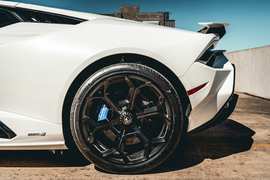
Ford Fiesta ST (Mk7)
Driving enthusiasts do not need to compromise just because they are shopping on a budget. The Mk7 Ford Fiesta ST offers razor-sharp handling, supportive Recaro seats, and immense driving pleasure.
Market Outlook (2026): A clean 2016 model sits squarely in this price range. Always prioritize mechanical inspection records to avoid vehicles driven aggressively by previous owners.
Suzuki Vitara
For buyers seeking a rugged, no-nonsense compact SUV, the Suzuki Vitara offers high utility and available all-wheel-drive capability for rough weather or light trails.
Market Outlook (2026): Your capital easily secures a low-mileage 2019 model in mid-range SZ4 specification, complete with smartphone connectivity and cruise control.
Kia Sportage
The Kia Sportage is a pragmatic family hauler offering broad interior space, a family-friendly cargo area, and dependable daily comfort.
Market Outlook (2026): Avoid bare-bones base models. Instead, hunt for mid-spec variants featuring upgraded infotainment and dual-zone climate control to maximize your comfort and long-term resale value.
Renault Zoe
Switching to a fully electric hatchback is a foolproof way to bypass urban driving restrictions. The Renault Zoe offers impressive daily driving range and low ongoing maintenance overhead.
Market Outlook (2026): Plentiful 2020 examples in upscale GT Line trim are available for under $10,000, bringing keyless entry, leather accents, and great tech into your driveway.
Volkswagen Up
Urban commuters dealing with tight parking spots will love the Volkswagen Up. Its diminutive footprint hides a surprisingly well-finished cabin and highway-capable manners.
Market Outlook (2026): Look for the well-equipped High-Up trim featuring the livelier 75-horsepower engine to ensure effortless city and highway performance.
What This Means for You
Purchasing a used vehicle in 2026 requires balancing vehicle reliability against financing costs. With interest rates fluctuating, paying cash versus taking out a short-term auto loan significantly alters your total cost of ownership. If you are financing, securing pre-approval through a local credit union often beats dealership financing rates, potentially saving you hundreds in interest charges over the life of the loan.
Should You Buy, Wait, or Rent/Invest?
In my experience working with clients navigating major automotive purchases, waiting for vehicle prices to plummet further is usually a losing strategy. Depreciation on sub-$10,000 cars has largely flattened out, meaning these vehicles hold their residual value remarkably well if maintained properly.
Buy Now if: You need reliable daily transportation to maintain your income, commute to work, or bypass escalating daily city driving fees. Delaying your purchase may cost you more in temporary transit fees or rental expenses than the car’s depreciation.
Wait or Invest Instead if: You work remotely, have reliable public transit, and can deploy that $10,000 into higher-yielding assets, real estate investments, or high-yield savings vehicles.

Best Financial Strategies Right Now (2026)
Leverage Cash Reserves Wisely: If you have $10,000 liquid, buying outright eliminates monthly debt obligations. However, if keeping cash liquid for emergencies is vital, put down 50% and finance the rest through a low-interest credit union loan.
Factor in Total Cost of Ownership: Beyond purchase price, calculate annual auto insurance premiums, maintenance budgets, and local road taxes before signing paperwork.
Protect Your Credit Score: If you plan on refinancing or applying for home loans later this year, ensure your auto loan inquiries are grouped within a 14-day window to protect your credit rating.
Cost Breakdown & Market Pricing Impact
| Expense Category | Estimated Cost (Year 1) | Financial Impact |
| :— | :— | :— |
| Purchase Price | $8,500 – $10,000 | Upfront capital outlay |
| Auto Insurance | $1,200 – $1,800 | Varies by driver history and location |
| Maintenance & Tires | $600 – $1,000 | Essential for preventing unexpected breakdowns |
| Urban Tolls / Fees / Fuel | $800 – $1,500 | Minimized by choosing an exempt vehicle |
Mistakes to Avoid That Could Cost You Money
Skipping the Pre-Purchase Inspection (PPI): Saving $150 on an independent mechanic inspection can easily cost you $2,000 in hidden transmission or suspension repairs down the road.
Ignoring Maintenance Histories: A cheap car with missing service records is often a ticking financial time bomb. Always demand a complete logbook.
Over-Borrowing on Older Models: Taking a 60-month loan on a 2016 vehicle means you risk being “upside down,” owing more than the car is worth if you need to sell it early.
Real-World Case Study: Two Buyers, Two Outcomes
To put these strategies into perspective, consider two recent clients of mine with identical $10,000 budgets:
Buyer A (The Impulsive Shopper): Purchased a sporty, modified hatchback privately without a mechanical inspection. Within three months, the transmission failed, costing $2,800 in unexpected repairs. Because they financed the purchase with a high-interest personal loan, their total cost skyrocketed.
Buyer B (The Strategic Planner): Purchased a certified pre-owned 2019 Skoda Fabia after a thorough PPI. They utilized a credit union loan with a favorable rate and set aside a modest maintenance fund. Over two years of daily commuting into regulated urban zones, their total repair costs were zero, and they saved over $3,000 in daily congestion fees.
Take the Next Step

Making a sound financial and automotive decision starts with exploring your options and comparing real-time financing rates. If you are ready to secure a reliable, emission-exempt vehicle that fits your budget, begin by checking your local inventory, running insurance rate comparisons, and getting pre-approved for your auto loan today.