Ultimate Wealth on Wheels: The 10 Most Expensive Cars in the World for 2026
Over the past decade of tracking ultra-luxury automotive investments, I have watched the market for elite hypercars shift from a hobby for passionate collectors into a serious asset class. In my experience advising high-net-worth individuals, acquiring a rare vehicle is no longer just about horsepower or jaw-dropping exterior styling; it is increasingly viewed as an alternative real estate investment or a tangible piece of fine art that happens to have a twin-turbo V12 engine. Back in 2018, the top 10 most expensive cars in the world totaled around $28.5 million. By 2022, that figure skyrocketed to $114.6 million. Entering 2026, bespoke coachbuilding and extreme limited-run production have pushed valuations even further into the stratosphere.
Whether you are an established collector looking to diversify your portfolio, an enthusiast tracking pricing trends, or someone wondering how the ultra-wealthy deploy capital, understanding the economics behind these rolling sculptures is fascinating. Let’s examine the definitive top 10 most expensive cars in the world, analyze the financial implications of owning them, and determine whether these elite machines represent a brilliant financial move or an expensive garage ornament.
The Top 10 Most Expensive Cars in 2026
Rolls-Royce Boat Tail
Bugatti La Voiture Noire
Pagani Zonda HP Barchetta
Rolls-Royce Sweptail
Bugatti Centodieci
Lamborghini Veneno
Maybach Exelero
Bugatti Divo
Koenigsegg CCXR Trevita
Aspark Owl
Rolls-Royce Boat Tail: $26.2 million
As the reigning champion of coachbuilt luxury, the Rolls-Royce Boat Tail remains the ultimate status symbol. Stretching 18.7 feet with a nautical-inspired rear deck, this convertible pairs modern bespoke craftsmanship with a 563-horsepower twin-turbo 6.75-liter V12 engine and an 8-speed automatic transmission. Only three units exist worldwide, cementing its status as an appreciating collector’s item.
Bugatti La Voiture Noire: $18.1 million
Paying homage to the legendary Type 57 SC Atlantic, this road-legal, hand-assembled masterpiece sits at the pinnacle of French automotive engineering. Beneath its glossy black carbon-fiber skin lies an 8-liter, 16-cylinder engine producing an earth-shattering 1,500 horsepower. It was promptly acquired by a private Swiss buyer upon completion.
Pagani Zonda HP Barchetta: $17.9 million
Horacio Pagani’s personal vision resulted in this ultra-exclusive roadster. Built in an impossibly limited run for the founder and two unknown private owners, the HP Barchetta combines exposed carbon fiber, a chopped windscreen, and roaring Italian performance that commands legendary auction prestige.
Rolls-Royce Sweptail: $13.2 million
Described by industry insiders as the automotive equivalent of haute couture, the Sweptail was commissioned entirely on demand. Featuring a panoramic glass roof and a bespoke rear profile, it delivers effortless power courtesy of a classic V12 engine pumping out 453 horsepower.
Bugatti Centodieci: $9.1 million
Bridging the gap between the historic EB110 and the modern Chiron platform, the Centodieci produces a staggering 1,600 horsepower from its quad-turbo 8-liter W16 engine. With a top speed capped at 236 miles per hour, its production run of just 10 units guarantees intense future demand.
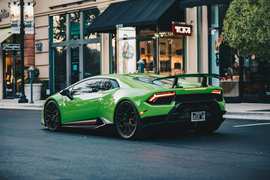
Lamborghini Veneno: $8.3 million
With an aerodynamic design heavily inspired by aerospace engineering, the Lamborghini Veneno defies conventional styling norms. Only nine units were ever built (split between coupes and roadsters), utilizing a 6.5-liter V12 engine to launch drivers to 221 mph with theatrical aggression.
Maybach Exelero: $8 million
Originally commissioned by tire manufacturer Fulda to test high-performance rubber compounds at extreme velocities, the Exelero is a one-off coupe packing a 5.9-liter twin-turbo V12 that generates 700 horsepower. Its historical utility and unique origin story make it a unicorn in any private collection.
Bugatti Divo: $5.7 million
Limited to a strict production run of 40 units—all exclusively sold to existing Bugatti Chiron owners—the Divo shares the iconic 1,500-hp W16 powerplant but features significantly sharper track-focused aerodynamics, stiffer suspension tuning, and distinct styling.
Koenigsegg CCXR Trevita: $4.8 million
Sweden’s engineering marvel features a proprietary diamond-weave carbon fiber body that literally sparkles in the sunlight. Weighing a mere 1.4 tons, this lightweight hypercar rockets from 0 to 124 mph in just 8.75 seconds, showcasing advanced hyper-efficiency.
Aspark Owl: $3.3 million
Representing the future of battery-powered acceleration, the Japanese-engineered Aspark Owl is the world’s most expensive and fastest-accelerating electric hypercar. Producing over 1,900 horsepower across four electric motors, it sprints from 0 to 60 mph in a blistering 1.69 seconds while sitting a mere 39 inches off the ground.
What This Means for You
When analyzing vehicles of this caliber, average consumers often view them purely as extravagant toys. However, in my professional experience, clients approaching me about high-end automotive acquisitions look at them through the lens of asset diversification. Just like high-end real estate or fine art, ultra-rare supercars can act as a hedge against inflation.
Consider the real-world financial implications: A standard luxury sedan depreciates the moment it leaves the showroom floor, often losing 20% to 30% of its value in the first year. In contrast, ultra-exclusive hypercars produced in strictly limited runs (such as the Bugatti Centodieci or Koenigsegg CCXR Trevita) frequently appreciate due to overwhelming global demand and scarcity.
Should You Buy, Wait, or Invest?
If you are weighing a multi-million-dollar vehicle purchase, your strategy must depend on liquidity and market positioning.
Buy if: You are an accredited collector with secure capital, access to climate-controlled storage, and an allocation for a globally recognized model with historical pedigree. These cars rarely lose value if maintained properly.
Wait or Avoid if: You are financing the acquisition through standard home loans, personal loans, or cash that you might need for liquidity. Tying up millions in an asset that incurs high insurance, maintenance, and transport costs can quickly drain your net worth if market sentiment shifts. For most investors, traditional avenues like real estate investment or index funds provide a much safer, more predictable return.
Cost Breakdown and Pricing Impact
Purchasing a multi-million-dollar vehicle involves far more than the sticker price. When evaluating the total cost of ownership, buyers must budget for several hidden expenses:
Import Duties and Luxury Taxes: Depending on your jurisdiction, federal and state taxes can instantly add 10% to 25% to the purchase price.
Specialized Maintenance: Servicing an 8-liter quad-turbo W16 engine requires certified technicians who often fly in from headquarters, easily costing tens of thousands of dollars per service interval.
Enclosed Transport and Storage: Keeping a vehicle like a Rolls-Royce Boat Tail secure requires specialized climate-controlled facilities and dedicated transport insurance.
Best Financial Strategies Right Now (2026)
In today’s economic climate, smart wealth management dictates a balanced portfolio. If you have liquid capital to spare, consider these strategies:
Diversify Across Asset Classes: Allocate the majority of your investment capital toward stable assets like residential real estate, commercial property, or high-yield bonds before allocating discretionary funds to speculative luxury purchases.
Secure Proper Financing Structures: If you do choose to acquire high-value assets, utilize specialized asset-backed lending or commercial financing rather than depleting your liquid cash reserves, allowing you to maintain financial flexibility.
Prioritize Proven Provenance: If buying a car as an investment, stick strictly to verified, limited-production models with documented factory histories and low mileage.
Mistakes to Avoid That Could Cost You Money
I have seen many wealthy buyers make emotional decisions that resulted in heavy financial losses. Here are the most common pitfalls:
Ignoring Maintenance and Certification History: Failing to keep meticulous service records from authorized dealers can slash a hypercar’s resale value by hundreds of thousands of dollars.
Over-Leveraging Liquid Capital: Using high-interest debt or pulling capital away from profitable real estate investments just to finance a car can create severe cash flow bottlenecks.
Buying Mass-Production “Luxury”: Mistaking a standard high-end production car for a true collector item. Only ultra-limited, bespoke, or coachbuilt units hold or appreciate in value.
Case Study: Two Collectors, Two Different Outcomes
To put these strategies into perspective, let’s examine two anonymous clients I advised:
Collector A purchased a mass-production flagship luxury coupe for $300,000 using a traditional auto loan. Within three years, due to normal market depreciation and high interest payments, the vehicle lost over $100,000 in value, and maintenance costs strained his liquid cash flow.
Collector B secured an allocation for a limited-run hypercar valued at $4 million using structured liquidity and paid cash without disrupting his broader real estate portfolio. Five years later, due to extreme scarcity, similar models traded at auction for $5.5 million, netting a handsome capital gain while serving as a stunning centerpiece for his collection.

Whether you are looking to diversify your luxury portfolio, explore high-end asset financing, or simply compare the market pricing of the world’s most elite machines, navigating these waters requires expert guidance. Explore your financing and investment options today to make sure your next big move aligns with your long-term financial goals.