
Ultimate 2026 Guide to the World’s Finest Supercars and Hypercars: Investment, Pricing, and Ownership Strategies
Navigating the elite echelon of ultra-luxury automotive engineering requires more than just a deep appreciation for sleek aesthetics and mind-bending velocity. Over my ten years advising high-net-worth collectors and automotive portfolio managers, the lines between a traditional supercar and an ultra-exclusive hypercar have grown increasingly blurred. In 2026, these mechanical masterpieces are no longer viewed merely as garage ornaments for weekend thrills—they are sophisticated alternative asset classes, status symbols, and complex financial commitments. Whether you are exploring exotic home loans to finance a multi-million-dollar acquisition, planning a strategic vehicle refinancing, or evaluating the long-term appreciation potential of your garage, understanding the nuances of the global elite market is critical.
In this comprehensive 2026 analysis, we examine the crown jewels of the automotive world, breaking down their engineering prowess, pricing realities, and what acquiring one of these machines truly means for your wealth portfolio.
Engineering Excellence: The 2026 Elite Lineup
Bugatti Chiron: The Benchmark of Modern Engineering
Bugatti remains the gold standard of high-end manufacturing. The Chiron serves as the legendary successor to the Veyron, establishing a legacy of absolute dominance. Underneath its sculpted carbon-fiber skin lies a quad-turbocharged W16 engine pumping out 1,500 horsepower at 6,000 rpm, launching the car from 0 to 100 km/h in roughly 2.5 seconds and pushing a breathtaking top speed of 443 km/h.
Pricing Impact: With a limited run of 500 units, the base model commands a starting price of €2.5 million, with bespoke customizations pushing valuations significantly higher.
Bugatti Bolide: Track-Focused Insanity
Pushing the envelope far beyond road legality, the Bugatti Bolide takes the mechanical foundation of the Chiron and strips away all compromises. Utilizing racing fuel, its beastly engine unleashes a staggering 1,850 horsepower. While theoretical top speeds hover near 499 km/h, its aerodynamic downforce and carbon-fiber architecture redefine track performance.
Cost Breakdown: Limited strictly to 40 units worldwide, the Bolide carries an entry-level price tag of $4.7 million.
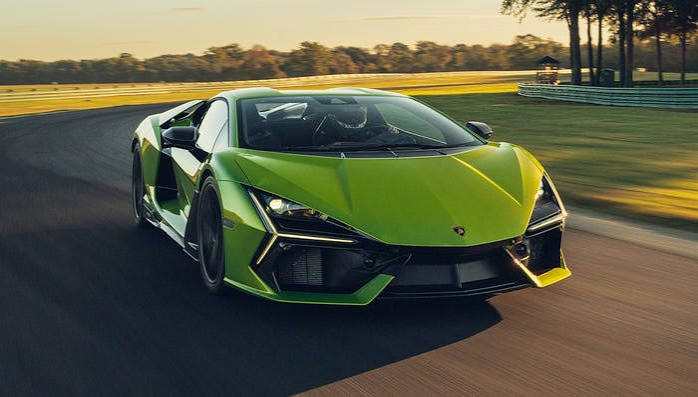
McLaren Speedtail: Supersonic Aerodynamics and Hybrid Might
Blending hyper-performance with hyper-luxury, the McLaren Speedtail introduces an avant-garde teardrop silhouette inspired by fighter jets. Inside, a unique three-seat configuration places the driver center stage, flanked slightly behind by two passengers. Its hybrid powertrain pairs a twin-turbo V8 with an electric motor to deliver a combined 1,050 horsepower, rocketing the car to a top speed of 403 km/h.
Market Availability: Only 106 units were scheduled for production, starting above €2.0 million.
Aston Martin Valkyrie: Formula 1 Technology for the Asphalt
Weighing a scant 1,030 kg, the Aston Martin Valkyrie is a masterclass in weight reduction. Its hybrid powertrain generates an astonishing 1,176 horsepower, achieving a power-to-weight ratio that mirrors modern racing cars. Sprinting to 100 km/h in just 2.5 seconds, it represents the pinnacle of aerodynamic engineering.
Pricing & Status: Limited to 175 units with a starting price of $3.2 million, this model was entirely sold out via pre-order.
Koenigsegg One:1: The Pure Ratio Philosophy
The Swedish innovator Koenigsegg built this engineering marvel around a singular philosophy: a 1:1 ratio of horsepower to kilograms. Producing 1,360 horsepower with a total weight of 1,360 kg, the car achieves a 0–100 km/h sprint in 2.6 seconds and a terminal velocity of 430 km/h.
Investment Value: With only 7 units ever built, each commanding over $2 million, secondary market appreciation has been exponential.
Koenigsegg Jesko Absolute: Chasing the Absolute Limit
As the spiritual successor within the Koenigsegg family, the Jesko Absolute features a 5-liter twin-turbo V8 generating up to 1,622 horsepower on E85 fuel. Weighing just 1,290 kg, it is built for ultimate straight-line stability, with theoretical simulations pointing past the 500 km/h threshold.
Cost Factor: Production is capped at 125 units starting at $3 million, with over three-quarters spoken for prior to completion.
Hennessey Venom GT: American Muscle Meets Hyper-Performance
Texas-based Hennessey Performance engineered the Venom GT to challenge global supremacy. Packing an 1,842-horsepower V8 into a featherlight 1-ton chassis, it accelerates from a standstill to 100 km/h in a blistering 2.4 seconds.
Scarcity & Pricing: A minuscule run of 24 units ensures elite collector status, with original pricing starting near $2.1 million.
SSC Tuatara: Precision Luxury and Velocity
Representing the pinnacle of American hypercar craftsmanship, the SSC Tuatara pairs a high-revving twin-turbo V8 with a lightning-fast seven-speed automated manual transmission. Capable of reaching 455 km/h while maintaining composure, it combines jaw-dropping performance with artisanal interior luxury.
Pricing: Production is restricted to 100 units, starting at roughly $2 million.
Mercedes-Benz SLR Stirling Moss: Open-Top Heritage
While it may trail some modern competitors in absolute top-end velocity (topping out at 350 km/h), the SLR Stirling Moss offers unmatched emotional resonance and vintage-inspired design. Devoid of a traditional windshield, its 650-horsepower supercharged V8 delivers an unadulterated sensory experience.
Valuation: Just 75 units were produced before production concluded, with original values starting at $1.2 million and climbing steadily in collector circles.
Lotus Evija: The Electric Vanguard
Pioneering the zero-emission hypercar movement, the Lotus Evija utilizes a quad-motor layout—one electric motor per wheel—delivering a combined 2,000 horsepower. While sustained high-speed track driving presents thermal and battery discharge challenges, it heralds the electrified future of elite performance.
Pricing & Availability: Limited to 130 units starting at $2 million.
What This Means for You
Purchasing a vehicle in the multi-million-dollar tier is vastly different from buying a standard luxury daily driver. In 2026, macroeconomic pressures, shifting interest rates, and evolving luxury vehicle financing options mean that buyers must look beyond the emotional thrill of the exhaust note.
When you commit capital to an asset like a Bugatti or Koenigsegg, you are engaging in high-stakes capital allocation. For some buyers, paying cash ties up valuable liquidity that could otherwise generate higher yields in real estate investments or private equity. Conversely, utilizing specialized luxury asset-backed lending or tailored home loans and refinancing strategies can allow you to keep your primary capital working for you while securing a rapidly appreciating automotive asset.
Should You Buy, Wait, or Invest?
In my experience advising high-net-worth clients, the decision to acquire a hypercar in 2026 depends entirely on your primary objective: pure enjoyment, portfolio diversification, or speculative flipping.
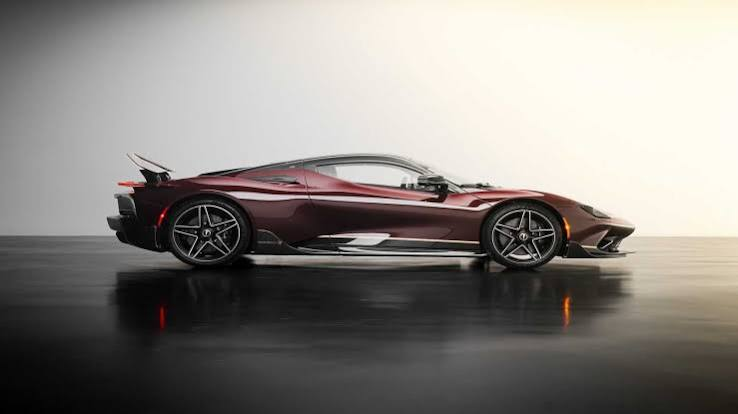
Buy (Collector Allocation / Limited Runs): If you have secured a factory allocation for an ultra-limited production run (such as a Koenigsegg Jesko or Bugatti Bolide), purchasing is almost always a financially sound move. These vehicles frequently appreciate the moment they roll off the assembly line due to strict supply caps.
Wait (Standard Production Supercars): If you are looking at mass-produced high-end sports cars that suffer from steep initial depreciation curves, waiting for a low-mileage pre-owned model or leasing through corporate structures is generally the smarter financial play.
Invest (As an Alternative Asset Class): Treat hypercars like fine art or vintage real estate. Maintenance costs, climate-controlled storage, insurance premiums, and specialized transport fees demand an ongoing capital outlay. However, buying the right model can yield substantial returns upon resale.
Best Financial Strategies Right Now (2026)
Navigating the acquisition of a seven-figure vehicle requires structured financial engineering:
Leverage Structured Financing Instead of Liquidating Portfolios: Rather than selling equities or liquidating profitable real estate holdings—triggering significant capital gains tax—utilize specialized securities-backed lines of credit or exotic asset financing to fund the purchase while maintaining your wealth-generating portfolio.
Optimize Insurance and Storage Costs: Premium comprehensive insurance and secure storage facilities can easily cost upwards of $30,000 to $50,000 annually. Factor these operational expenses into your cash flow projections before signing the purchase agreement.
Engage in Strategic Refinancing: If you utilized short-term bridging loans to secure a fast factory allocation, look into long-term wealth management refinancing options to secure lower interest rates and optimized monthly debt service ratios.
Cost Breakdown & Financial Impact
To ground these concepts in reality, let us examine a typical acquisition scenario:
Purchase Price: $3,000,000 (e.g., Koenigsegg Jesko variant or custom Chiron)
Initial Down Payment (30%): $900,000
Financed Amount: $2,100,000 via a specialized luxury asset loan at a competitive 2026 commercial rate.
Annual Operational Costs:
Comprehensive Insurance: $35,000
Climate-Controlled Storage & Maintenance: $15,000
Factory-Certified Servicing: $25,000
Total Year-One Holding Cost: $75,000 (excluding depreciation or financing interest).
Real-World Case Study: Buyer A vs. Buyer B
To illustrate the consequences of financial planning in the hypercar market, consider two hypothetical collectors from my advisory practice:
Buyer A (The Impulsive Purchaser): Bought a $2.5 million supercar on a high-interest short-term commercial loan without evaluating cash flow or insurance realities. Facing unexpected liquidity constraints two years later, Buyer A was forced to dump the vehicle quickly on a soft secondary market, absorbing a $400,000 loss on the sale price alongside heavy early-termination financing penalties.
Buyer B (The Strategic Investor): Secured an allocation for a strictly limited 50-unit hypercar using a structured wealth-management loan backed by a diversified investment portfolio. Buyer B kept the vehicle in climate-controlled storage, maintained meticulous service records, and capitalized on strong market demand three years later, successfully reselling the vehicle at a $600,000 net profit after all carrying costs.
The lesson is unequivocal: strategic preparation separates profitable luxury acquisitions from expensive financial liabilities.
Mistakes to Avoid That Could Cost You Money
Ignoring Allocation Restrictions: Many manufacturers prohibit resale within the first 12 to 24 months. Violating these clauses can blacklist you from future factory allocations, destroying potential investment upside.
Neglecting Maintenance Provenance: Failing to service a hypercar at factory-authorized service centers can instantly wipe out 20% to 30% of its resale value among discerning collectors.
Underestimating Total Cost of Ownership: Focusing solely on the purchase price while ignoring insurance, specialized transport, tire replacement intervals (which can cost $40,000 a set), and import duties can severely strain your personal liquidity.
Take the Next Step
Entering the world of hypercar ownership or restructuring your luxury automotive portfolio requires expert guidance, precise market timing, and tailored financial solutions. Whether you are comparing financing options, evaluating real estate investment leverage to fund your garage, or looking for the best options in vehicle refinancing, expert counsel makes all the difference.
Explore your financing options today, check current luxury asset rates, and schedule a consultation with our wealth and automotive advisory team to take the next step toward your ultimate garage acquisition.