
Investing in the Ultimate 2026 Supercar: Performance, Pricing, and Ownership Strategy
Automotive engineering rarely settles for practicality. Across the United States, traditional vehicles are built to compromise—balancing daily commutes, family luggage, and fuel economy. High-performance exotics, however, answer a completely different calling. They exist solely to provoke a visceral, heart-pounding emotional response. Yet, acquiring a top-tier machine today involves much more than simply admiring horsepower figures; it requires navigating complex financial terrain, evaluating high-end home loans, arranging structured exotic car financing, and considering how depreciation or appreciation impacts your overall net worth.
As an industry expert with a decade of experience guiding high-net-worth buyers through acquisitions, asset allocations, and garage expansions, I have watched the market mature significantly. Heading into 2026, the intersection of electrification, aggressive carbon-fiber aerodynamics, and shifting global supply chains has redefined what luxury performance truly costs. Whether you are looking at cash purchases, specialized exotic vehicle leasing, or structuring your portfolio via real estate investment gains to fund your dream garage, making the right choice requires absolute clarity.
This guide evaluates the ten premier high-performance vehicles available in 2026, breaking down their real-world value, mechanical genius, and financial implications.
The 2026 Supercar Shortlist: Engineering Excellence Meets Financial Reality
When setting a budget limit of $500,000—a threshold where many of these masterpieces sit—buyers encounter a market segment populated by race-track refugees, hybrid marvels, and ultra-refined grand tourers. Let us examine the heavy hitters of 2026.
Porsche 911 GT3 RS
For those hunting lap records, this track weapon remains the benchmark. Featuring a naturally aspirated 4.0-liter flat-six pushing 518 horsepower and active DRS aerodynamics generating 860kg of downforce, it is relentlessly focused.
Expert Insight: In my experience, buyers who purchase a GT3 RS expecting a comfortable weekend cruiser often sell within six months. This machine demands respect and punishes casual street driving with a stiff ride and deafening cabin noise.
Ferrari 296 Speciale
Ferrari’s ‘Speciale’ badge signifies a sharper, more focused engineering brief. Stripping 60kg from the kerb weight and boosting the V6 hybrid powertrain to 868 horsepower yields a 0–60 mph time of 2.8 seconds.
Financial Note: Limited-run Ferrari variants historically hold their value remarkably well, often acting as alternative assets rather than depreciating liabilities.
Aston Martin DB12 S
Applying the ‘S’ moniker to the DB12 super tourer brings a twin-turbo V8 output of 690 horsepower. It blends brutal acceleration with artisanal British leatherwork, targeting buyers who prioritize long-distance touring comfort over raw track telemetry.

Porsche Taycan Turbo GT
Redefining electrification, this 1,093-horsepower monster hits 124 mph from a standstill in breathtaking fashion. While heavy at 2.2 tonnes, its record-breaking Nürburgring and Laguna Seca runs prove that battery power is fully capable of dominating legacy combustion engines.
Ferrari Amalfi
Taking over from the Roma as Ferrari’s entry point, the Amalfi features a 3.9-liter twin-turbo V8 generating 631 horsepower. It offers clean, curvaceous styling, surprising boot space, and an everyday usability factor that attracts first-time exotic buyers.
Lamborghini Temerario
Replacing the iconic Huracán, the Temerario swaps the classic V10 for a twin-turbo flat-plane V8 paired with three electric motors. Producing 907 horsepower with a 10,000 rpm redline, it represents the new wave of hybridized Italian theater.
McLaren Artura Spider
Weighing just 1,560kg, McLaren refuses to let weight bloat compromise agility. Its 690-horsepower plug-in hybrid drivetrain combines a twin-turbo V6 with an electric motor, delivering a retractable hardtop experience that balances razor-sharp feedback with 21 miles of pure EV range.
Audi R8 (The Modern Classic)
With new production having concluded, clean examples of the V10-powered R8 represent incredible pre-owned value. Rumors of a high-performance PHEV successor (the ‘Audi Concept C’) keep enthusiasm high for the brand’s mid-engine legacy.
McLaren 750S
An evolutionary masterclass from the 720S, the 750S boasts a dry weight of 1,277kg, a class-leading power-to-weight ratio of 579bhp-per-tonne, and advanced linked-hydraulic suspension (PCC III). It remains the driver’s car of choice for pure tactile feedback.
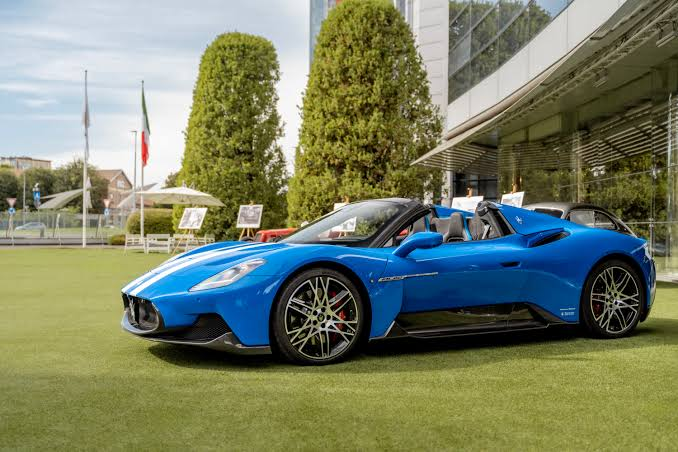
Maserati MCPURA
Formerly known as the MC20, the MCPURA uses the 3.0-liter twin-turbo Nettuno V6 to deliver 621 horsepower. Its GT mode offers surprising ride suppleness, making it one of the most forgiving supercars for broken city pavement.
Case Study: Two Buyers, Two Strategies
To understand how high-end vehicle acquisition works in practice, consider two recent clients of mine: Buyer A and Buyer B.
Buyer A liquidated all available cash to buy a brand-new, highly customized Italian exotic outright for $450,000. Within eighteen months, a local market shift and high interest rates forced a sudden liquidity need. When selling the car quickly, Buyer A absorbed a devastating $110,000 depreciation hit because the vehicle had personalized options that the secondary market did not value.
Buyer B utilized a structured commercial line of credit and a well-managed mortgage refinancing strategy on their real estate portfolio to secure low-interest liquidity. They purchased a pre-owned, highly sought-after model that had already absorbed its initial depreciation curve. Two years later, Buyer B drove the car regularly, suffered minimal financial loss upon resale, and kept their core capital actively deployed in high-yielding investments.
The Lesson: Cash is not always king when buying an exotic asset. Structuring your purchase correctly protects your broader financial health.
Cost Breakdown & Pricing Impact
Entering the exotic car market requires looking far beyond the sticker price. Here is what ownership actually costs over a typical 36-month holding period:
| Expense Category | Estimated Cost (Annual / Event-Based) | Financial Impact |
|---|---|---|
| Initial Purchase / MSRP | $300,000 – $500,000+ | Upfront capital requirement or large monthly financing commitment. |
| Depreciation / Market Hold | 10% – 20% in Year 1 (Standard models) | Varies wildly; limited editions appreciate, while high-volume models drop fast. |
| Comprehensive Insurance | $4,000 – $9,000+ per year | Heavily dependent on driver history, garage location, and agreed-value policies. |
| Maintenance & Servicing | $3,500 – $8,000 per year | Annual fluid changes, specialized tire replacements, and carbon-ceramic brake care. |
| Storage & Detailing | $2,000 – $5,000 per year | Climate-controlled storage, PPF (Paint Protection Film), and ceramic coating. |
Mistakes to Avoid That Could Cost You Money
In my decade advising high-net-worth enthusiasts, I have seen fortunes quietly bled away through avoidable errors. Watch out for these pitfalls:
Ignoring the Cost of Financing and Refinancing: Jumping into a high-rate dealer loan without shopping around can add tens of thousands in unnecessary interest. Always explore home equity loans, portfolio lines of credit, or specialized boutique lenders.
Buying Based on Hype Spec: Specifying wild, neon interior leather colors or obscure paint finishes drastically shrinks your buyer pool when it comes time to resell. Stick to timeless, elegant specifications.
Failing to Verify Insurance Costs First: I’ve seen clients sign purchase agreements only to find out that their local insurance provider quotes $12,000 annually due to zip code risk factors. Always run insurance quotes with the VIN before wiring a deposit.
Neglecting Pre-Purchase Inspections (PPI): Buying a used exotic without a certified, independent PPI is an invitation to a $30,000 transmission or clutch replacement bill.
What This Means for You
Owning a world-class performance vehicle is an emotional milestone, but it should never be treated as a purely isolated purchase. It interacts directly with your liquidity, your tax strategy, and your long-term financial planning. If you are tying up too much liquid cash, you miss out on high-yield opportunities elsewhere in the market. Conversely, locking into an intelligent financing structure allows you to enjoy the machine while keeping your primary capital productive.
Should You Buy, Wait, or Invest?
Buy Now If: You have stable liquidity, have accounted for ongoing maintenance and insurance overhead, and view the car as an experiential luxury asset rather than a guaranteed investment.
Wait or Look at Pre-Owned If: You want to let someone else absorb the brutal first-year depreciation curve. Models that are 2 to 3 years old often represent the absolute sweet spot of maximum driving enjoyment with minimized capital loss.
Invest Elsewhere If: Your primary focus is capital preservation or wealth building. Real estate investment, high-yield equities, or fixed-income assets will almost always outperform an exotic car in pure financial returns.
Best Financial Strategies Right Now (2026)
To optimize your next acquisition in today’s economic climate, implement these expert-backed strategies:
Leverage Low-Cost Liquidity: Utilize securities-backed lines of credit or favorable real estate financing to fund your purchase rather than liquidating dividend-paying equities or triggering major capital gains taxes.
Prioritize Certified Pre-Owned (CPO) Programs: Protect your downside by purchasing vehicles with factory-backed warranties that cover unexpected mechanical or electrical failures.
Build an Exit Strategy Before Buying: Ask yourself: Who is going to buy this car from me in three years? Choosing specifications and models with strong secondary-market demand ensures a smoother transition when it’s time for your next garage upgrade.
Take the Next Step Toward Your Dream Garage
Navigating the nuances of supercar ownership, financing options, and market pricing requires personalized guidance. Do not leave your next major automotive investment to chance.
Compare current financing rates, explore verified pre-owned inventory, and speak with an expert specialist today to find the machine that fits both your driving ambitions and your financial strategy. [Click here to compare options and explore available solutions right now.]