
Ultimate High-Performance Buyer’s Guide: 10 Elite Supercars Available in 2026
When you have spent a decade in the high-net-worth automotive acquisition sector, you quickly realize one fundamental truth: ordinary automobiles are built entirely on compromise. They must juggle school runs, highway commutes, terrible weather, and strict fuel economy targets. However, elite supercars exist for one absolute reason—to deliver a visceral, pulse-pounding, highly responsive driving experience that alters your perspective on motion itself.
Selecting the right machine from the best options on the market today is a deeply personal endeavor. By the time you are actively comparing these apex predators, you already know what style dictates your taste. To help navigate this echelon, we have set a pragmatic price ceiling of $650,000 for this breakdown—though vehicles exist beyond that threshold, they often cross into single-digit rarity and experimental motorsport tech.
Furthermore, if you are treating your garage as a portfolio or looking at real estate investment alongside automotive assets, understanding current pricing impact, refinancing flexibility, and overall capital allocation matters immensely. Let us dive into the ultimate shortlist for 2026.
The Elite 2026 Supercar Lineup
Porsche 911 GT3 RS
Want a precision track weapon that can claw its way around the Nürburgring in under seven minutes? This is the answer. Generating 518 horsepower from its naturally aspirated 4.0-litre flat-six, and producing a staggering 860kg of downforce via active aerodynamics and DRS, the GT3 RS is wider, lower, and considerably more aggressive than standard iterations. It demands respect and rewards precise inputs.
Ferrari 296 Speciale
When Maranello stamps the ‘Speciale’ designation on a chassis, expect engineering brilliance. Engineers dropped 60kg of curb weight, dialed up the downforce, and pushed the V6 hybrid powertrain to a staggering 868 horsepower. It hits 62 mph in 2.8 seconds, utilizing specialized track software and carbon-ceramic brakes to rewrite lap-time expectations.
Aston Martin DB12 S
Continuing a legendary lineage, the DB12 S takes Aston Martin’s super tourer formula and injects serious venom. Its twin-turbo V8 now pumps out 690 horsepower alongside 590 lb-ft of torque. Featuring a revised quad-tailpipe sports exhaust, aggressive aerodynamic splitters, and a finely calibrated launch control system, it bridges raw speed with long-distance grand touring comfort.
Porsche Taycan Turbo GT
Redefining electrification at the absolute limit, the Taycan Turbo GT delivers a mind-bending 1,093 horsepower. While its 0-62 mph sprint is rapid, its relentless pull up to 124 mph is what truly stuns. Having shattered EV lap records globally, it proves that electric platforms can dominate the track, especially when specified with the aggressive Weissach package.
Ferrari Amalfi
Serving as the stunning spiritual successor in Ferrari’s GT range, the Amalfi pairs clean, muscular Italian styling with a 3.9-litre twin-turbo V8 producing 631 horsepower. Dispatching the 0-62 mph run in 3.0 seconds, it marries everyday usability with gorgeous styling and high-end craftsmanship.
Lamborghini Temerario
Replacing the iconic Huracán, the Temerario pivots to an exotic powertrain: a flat-plane twin-turbo V8 mated to three electric motors, yielding a combined 907 horsepower with a stratospheric 10,000 rpm redline. It is wider, structurally stiffer, and dramatically more spacious inside than its predecessor.
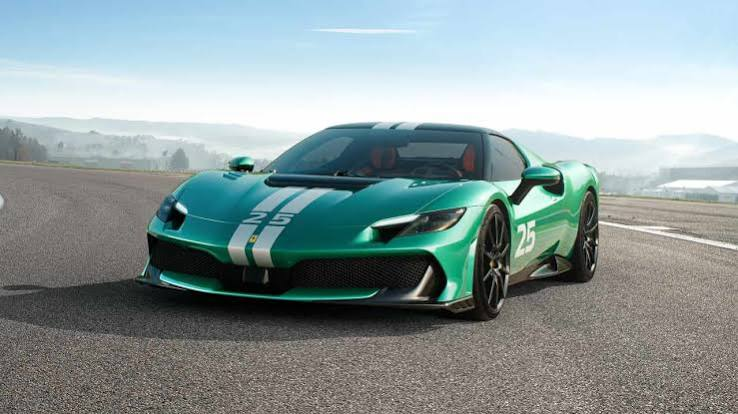
McLaren Artura Spider
Obsessed with keeping weight to an absolute minimum, McLaren’s plug-in hybrid drop-top weighs just 1,560kg. Combining a twin-turbo V6 with an electric motor to generate 690 horsepower, it features an 11-second retractable hardtop and razor-sharp dynamic handling that shames heavier rivals.
Audi R8 (Modern Classic & Future Outlook)
While production on the legendary V10-powered R8 has concluded, clean, low-mileage examples remain highly sought-after modern classics offering incredible long-term value. Meanwhile, industry whispers point toward a high-performance plug-in hybrid successor arriving soon, keeping the lineage alive.
McLaren 750S
An evolutionary masterclass based on the brilliant 720S, the 750S features 740 horsepower and a class-leading power-to-weight ratio. Thanks to its linked-hydraulic suspension system (PCC III) and meticulous weight-saving engineering, it delivers telepathic steering feedback and brutal acceleration.
Maserati MCPURA
Formerly known as the MC20, the newly updated MCPURA features aggressive GT2-inspired aerodynamics and the glorious 3.0-litre twin-turbo Nettuno V6 pushing 621 horsepower. Butterfly doors provide maximum theatre, while adaptive damping ensures it remains compliant on broken tarmac.
Cost Breakdown & Pricing Impact (2026 Market Realities)
Entering the supercar tier requires looking beyond the sticker price. In 2026, fluctuating interest rates mean that how you structure your capital matters just as much as the vehicle you choose.
Acquisition & Depreciation: While limited-run models like the Porsche GT3 RS often hold or appreciate in value, mainstream supercars typically depreciate 10% to 15% in their first year of ownership.
Financing & Liquidity: Many elite buyers leverage alternative financial instruments—such as portfolio-backed lines of credit or structured home loans and strategic refinancing—to fund these acquisitions without liquidating high-performing equities or real estate assets.
Operating Costs: Insurance premiums, specialized servicing, and consumable items like carbon-ceramic brake replacements can easily run between $10,000 and $25,000 annually.
What This Means for You
As a buyer or collector navigating the 2026 market, you are facing a unique crossroad. Traditional internal combustion engines are fighting for survival against high-output hybrid architectures and full-electric flagships. If you want raw mechanical purity and unadulterated acoustic drama, naturally aspirated or high-revving turbo petrol engines are your ultimate target before regulations tighten further.
Should You Buy, Wait, or Invest?
Over the past decade consulting with high-net-worth clients, I have watched prospective buyers freeze due to market hesitation, only to watch allocations dry up and secondary market values spike.
Buy Now If: You are targeting limited-production analog supercars (such as naturally aspirated track variants) where internal combustion supply is strictly finite.
Wait/Watch If: You are eyeing early-adoption hybrid or electric supercars, where rapid technological iteration often leads to sharper initial depreciation curves.
Invest Safely: Treat these machines primarily as passion assets. While certain limited-run Ferraris and Porsches act as exceptional stores of value, they should complement—not replace—your core diversified wealth generation strategy.
Mistakes to Avoid That Could Cost You Money
In my experience advising elite collectors, preventable financial missteps routinely cost buyers tens of thousands of dollars. Avoid these pitfalls:
Ignoring Pre-Purchase Inspections (PPI): Buying a pre-owned supercar without a certified specialist inspecting the clutch wear, over-rev history, and chassis integrity is a massive financial gamble.
Failing to Factor in Specialized Insurance: Standard auto policies will not cover track-day usage or agreed-upon collector values. Securing tailored high-value vehicle insurance is non-negotiable.
Overlooking Allocation Economics: Putting down non-refundable deposits on vaporware or unverified build slots can trap your capital for years with zero return.
Real-World Case Study: Buyer A vs. Buyer B
To put these strategies into perspective, consider two clients I worked with last year:
Buyer A purchased a heavily optioned, mass-produced hybrid supercar with cash, ignoring immediate depreciation trends. Within 18 hours of taking delivery, market saturation hit, and secondary values dropped by 12%.
Buyer B secured an allocation for a limited-run, track-focused naturally aspirated machine using a structured liquidity product, protecting their primary capital while locking in a rare spec. Twelve months later, Buyer B’s asset has appreciated by roughly 8%, proving that specification and production scarcity dictate real-world financial outcomes.
Best Financial Strategies Right Now (2026)
To optimize your automotive acquisition in today’s economic climate:
Leverage low-interest commercial or portfolio-backed financing rather than draining cash reserves that could be deployed elsewhere.
Work exclusively with authorized dealer networks to guarantee vehicle pedigree, service history, and official factory warranties.
Match your driving habits to the car—do not buy a stripped-out track weapon if your primary goal is weekend coastal cruising.
Are you ready to elevate your driving experience and secure your next elite vehicle? Compare current inventory options, review competitive mortgage rates and liquidity solutions, or connect with our specialized advisory team today to find your perfect match.